Aquasyn® Diaphragm Valves

Sanitary Diaphragm Valves for Pharmaceutical & Biotech Processing

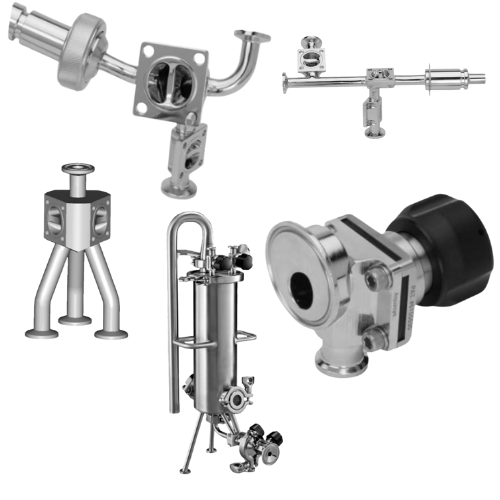
High-purity flow control for sterile and aseptic process lines. Fourteen hygienic diaphragm valve configurations, from two-way bodies to zero static tees, multi-divert blocks and instrumented valves.

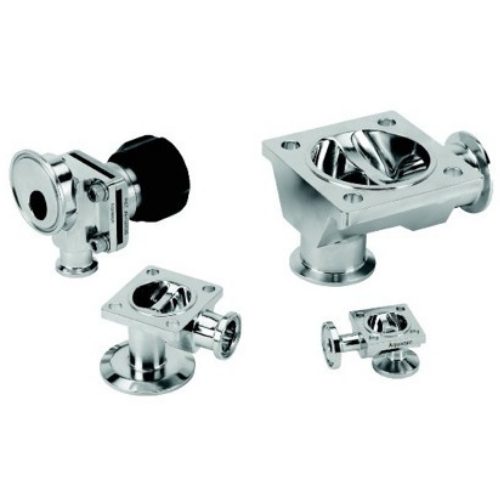
Aquasyn sanitary diaphragm valves are built for pharmaceutical, biotech and high-purity water systems where drainability, cleanability and documented compliance decide whether a valve is acceptable. Bodies are machined from solid block for cleanability, diaphragms conform to USP Class VI, and Ultraz fluoroelastomer options meet ASME-BPE and the extractables criteria of 21 CFR 177.2600. Pick the body style you need below, or talk to us about custom fabrication, custom valve design and single-use pinch valves for disposable flow paths.

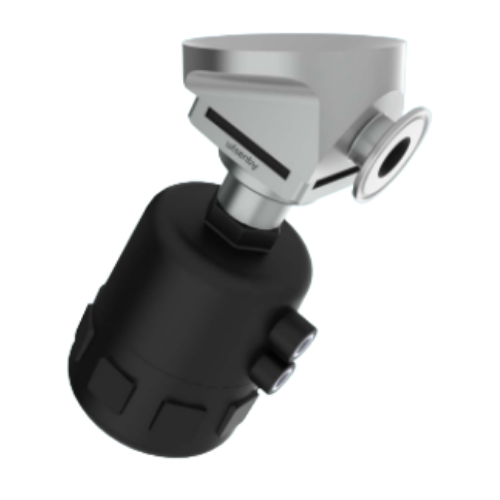
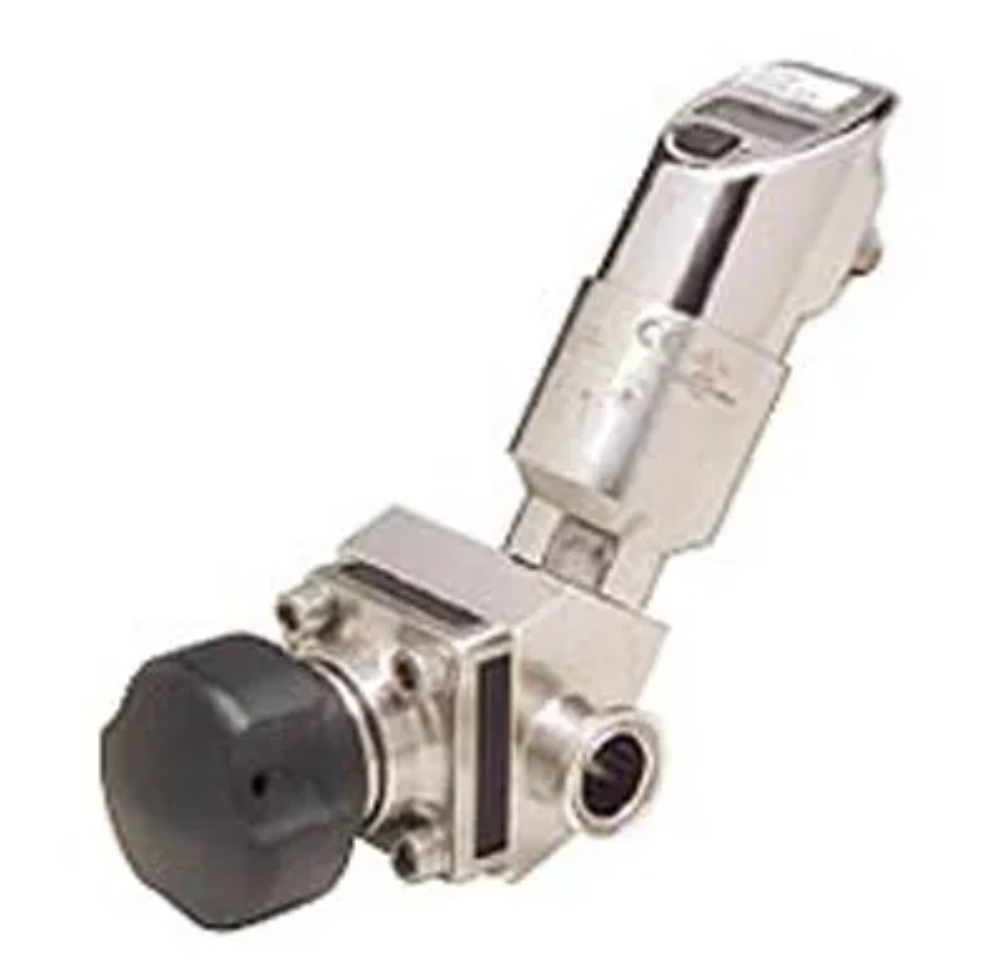
Aquasyn sanitary diaphragm valve with pneumatic actuator and tri-clamp connections
🔬
DiaphragmsUSP Class VI
📋
StandardsASME-BPE Compliant Options
⚙
Valve Types14 Configurations
💧
DesignZero Static & Fully Drainable
Select Your Configuration

Sanitary Diaphragm Valve Types

Every Aquasyn body style in one place. Choose by process function first, because the geometry decides whether the installation can be cleaned and drained. Actuation comes second.

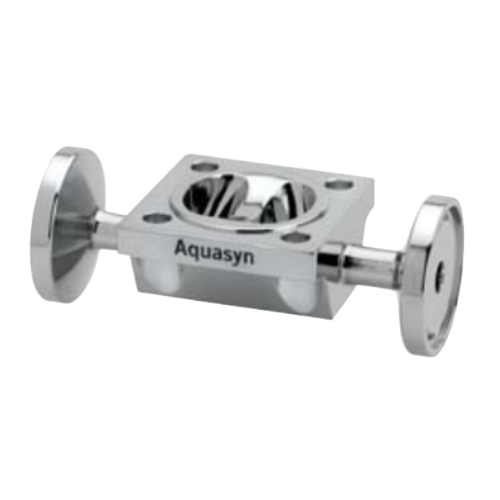
Two-way sanitary diaphragm valve body

Two-Way Diaphragm Valves

The workhorse in-line body: one inlet, one outlet, flow stopped against a single machined weir.

Best for: isolation and throttling on straight, continuously flowing runs.
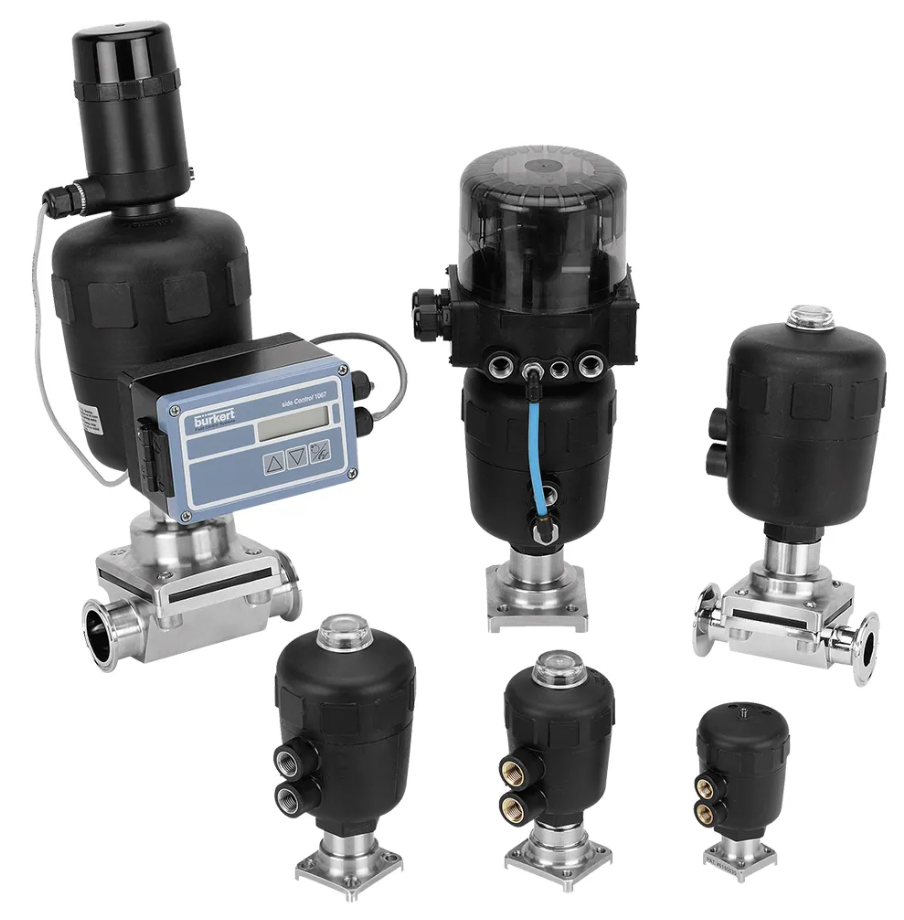
Pneumatically actuated sanitary diaphragm valve

Pneumatic Actuated Diaphragm Valves

Pneumatic actuation with a defined fail position for automated sequences and high-cycle duty.

Best for: automated skids and production lines with plant air available.
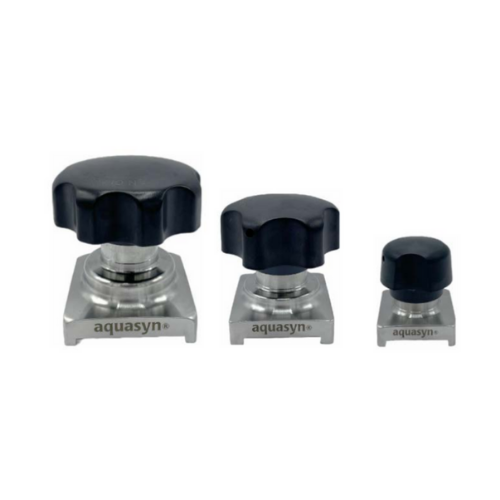
Manual bonnet sanitary diaphragm valve with handwheel

Manual Bonnet Diaphragm Valves

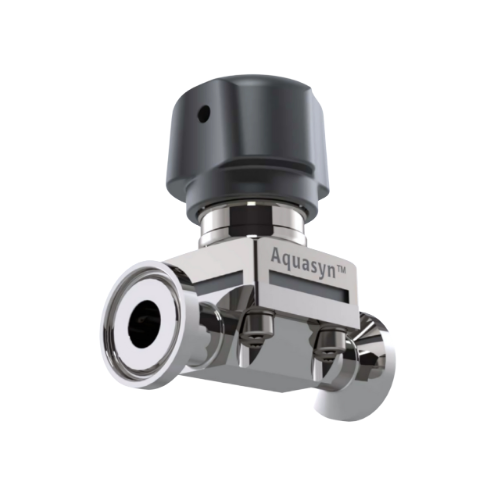
Handwheel operation with the same body construction and documentation as the actuated versions.

Best for: sterile lines set by hand or operated infrequently, where a utility feed adds no value.
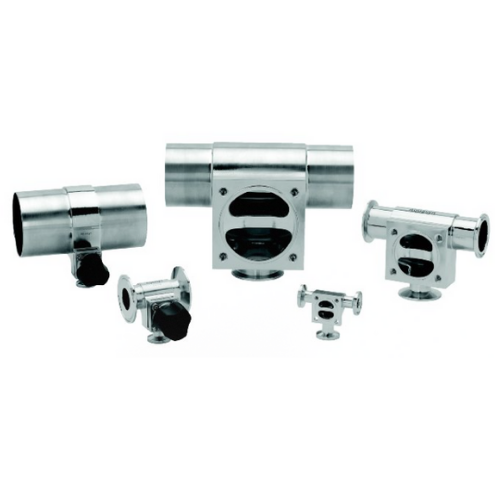
Zero static tee diaphragm valve machined from solid block

Zero Static Tee Diaphragm Valves

True zero static design: the branch comes straight off the main line, so no stub exists to trap fluid.

Best for: distribution loop take-offs, sample points, any branch not in constant flow.
Point of use POU diaphragm valve for high-purity water distribution

Point of Use (POU) Diaphragm Valves

POU take-off valves that keep the branch from a distribution loop as short as physically possible.

Best for: WFI and purified water loops where stagnation between draws is the risk.
Tank bottom sanitary diaphragm valve for vessel drainage

Tank Bottom Diaphragm Valves

Mount flush to the vessel outlet so there is no hold-up volume left above the valve seat.

Best for: bioreactor, fermenter and mixing vessel outlets that must drain completely.
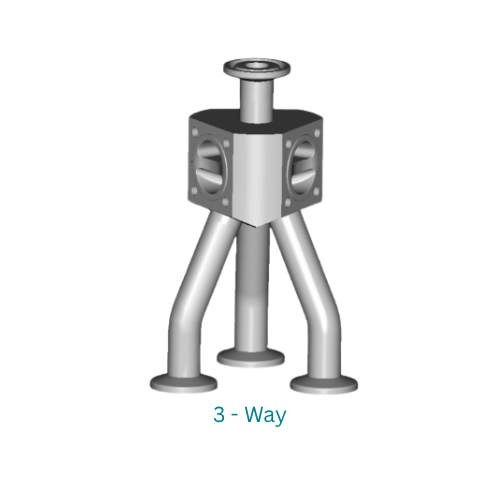
Multi divert diaphragm valve block for process diversion

Multi Divert Diaphragm Valves

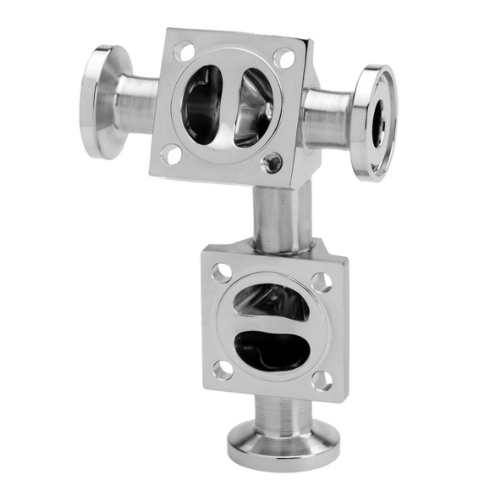
Several functions combined in one machined block, replacing welded valve clusters.

Best for: column feed and elution manifolds, and any layout carrying avoidable dead legs.
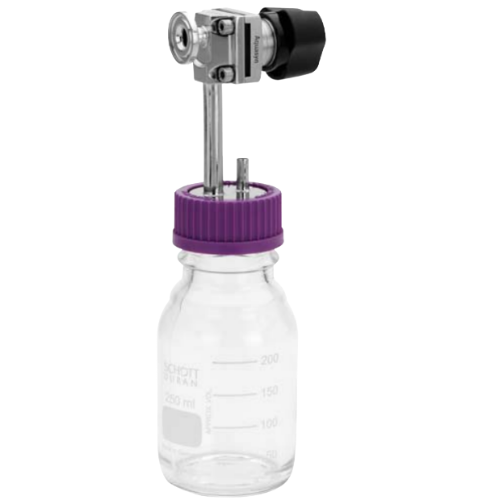
Aseptic sampling diaphragm valve

Aseptic Sampling Diaphragm Valves

Aseptic sample take-off without breaking into or compromising the main flow path.

Best for: in-process QC sampling on upstream, downstream and fill-finish lines.
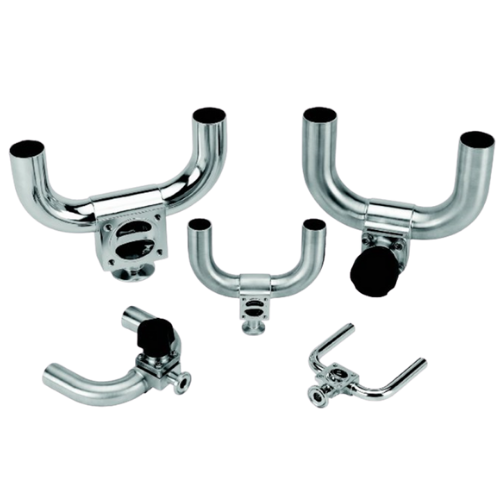
Valbow 90 degree elbow diaphragm valve

Valbow Elbow Diaphragm Valves

A 90° elbow and the valve in a single body, removing a weld and shortening the run.

Best for: dense skids and space-constrained cleanroom installations.
Fusion instrumented diaphragm valve with integrated sensor

Fusion Instrumented Diaphragm Valves

Sensors integrated into the valve body, so the measurement point needs no separate port.

Best for: instrumented skids where every extra port is extra dead volume.
GMP sanitary diaphragm valve

GMP Diaphragm Valves

Documented valves specified for regulated GMP manufacturing environments.

Best for: licensed production where material and finish records must be produced on request.
Biotech diaphragm valve for bioreactor and fermentation service

Biotech Diaphragm Valves

Low-hold-up bodies sized for bioreactor, fermentation and harvest transfer duty.

Best for: upstream biotechnology lines handling media, buffer and product transfer.
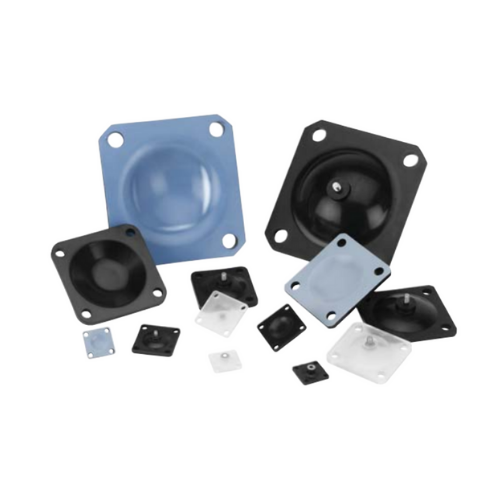
PTFE and EPDM polymer replacement diaphragms

Replacement Polymer Diaphragms

Replacement diaphragms in EPDM, silicone, Viton, Ultraz and TFM 1700 / EPDM.

Best for: maintaining an installed valve base rather than replacing valves.
Custom design sanitary diaphragm valve

Custom Design Diaphragm Valves

Bespoke bodies and valve clusters machined to your P&ID to remove welds and dead legs.

Best for: layouts where no standard body style gives you a clean, drainable result.
How It Works

How a Sanitary Diaphragm Valve Works

A sanitary diaphragm valve separates the process fluid from the valve mechanism with a single flexible diaphragm. The actuator or handwheel drives a compressor against the diaphragm, pressing it onto a machined weir in the valve body to stop flow. Lifting the compressor lets the diaphragm return and flow resumes. Because the stem, compressor and bonnet sit above the diaphragm, they never touch the product.

That single point of separation is why diaphragm valves dominate pharmaceutical, biotech and high-purity water service. There is no packing to leak, no cavity to trap product, and only two wetted materials to qualify: the body and the diaphragm. When the diaphragm reaches the end of its service life you replace one component rather than the valve.

Why the Geometry Matters More Than the Valve

In a regulated system, cleanability is decided by the shape of the flow path. Aquasyn bodies are machined from solid block rather than assembled from fittings, so the internal profile is continuous and the external surfaces are sloped and radiused for wash-down. Body styles exist specifically to remove dead volume from the layout:

  • Two-way valves are the workhorse in-line body: one inlet, one outlet, flow stopped against a single weir. This is the high-performance two-way diaphragm valve used for isolation and throttling anywhere the run is straight and continuously flowing.
  • Zero static tees take the branch connection directly off the main line so there is no stub to trap fluid, giving complete drainability.
  • Tank bottom bodies mount flush to the vessel outlet, so the vessel drains without leaving a hold-up volume above the valve seat.
  • Multi divert blocks combine several functions in one machined body, replacing welded valve clusters and the dead legs that come with them.
  • Valbow bodies combine a 90° elbow with the valve, removing a weld and shortening the run.
  • Point of use valves keep the take-off from a distribution loop as short as possible, which is what protects WFI and purified water loops from stagnation.

Manual, Actuated and Instrumented Operation

Once the body geometry is fixed, actuation decides how the valve is driven. Manual bonnet valves use a handwheel and suit sterile lines that are operated infrequently or set once during a campaign, where adding a utility connection would add cost for no benefit. Pneumatic actuated valves suit automated sequences and high-cycle duty, and give a defined fail position. Fusion instrumented valves take it further by integrating the sensor into the valve body, so the measurement point does not need its own port and dead volume.

Choose the body geometry first and the actuation second. The geometry determines whether the installation can be cleaned and drained; the actuation only determines how it is operated. Start with the valve type grid above, then use the comparison table to sanity-check against other valve technologies.

Why Aquasyn

Why High-Purity Teams Specify Aquasyn Diaphragm Valves

Selecting a hygienic diaphragm valve is a documentation exercise as much as an engineering one. These are the reasons process and validation engineers standardise on the Aquasyn range.

🔬

Machined From Solid Block

Bodies are fully machined rather than fabricated from fittings, giving a continuous internal profile, higher strength and fewer welds to inspect or justify.

💧

Drainable by Design

Zero static, tank bottom and point of use geometries remove dead legs at source, so CIP and SIP reach every surface and the line drains completely.

📋

Compliance Documentation

Diaphragms conform to USP Class VI. Ultraz fluoroelastomer options additionally meet ASME-BPE and the extractables criteria of 21 CFR 177.2600.

♻

One Diaphragm to Replace

Only the body and diaphragm are wetted. Service means changing a single elastomer, and replacement diaphragms are held in the range rather than obsoleted.

⚙

Compact and Lightweight

Industry-leading lightweight bodies with sloped, radiused exteriors suit dense skids and space-constrained cleanroom installations.

🛠

Made to Order, Quickly

Stocked components support rapid made-to-order assembly, including integrated sampling, diverting and custom cluster configurations.

Specifications

Materials, Standards & Specification

Configuration-dependent figures. Line sizes, pressure and temperature ratings and surface finish depend on the body style, diaphragm material and connection type you select. Use the table below to define the configuration, then send it to us and we will confirm the figures that apply to your selection.

Materials & Compliance

ItemDetail
Body constructionFully machined from solid block; sloped and radiused exterior surfaces for cleanability and wash-down
Diaphragm materialsEPDM · Silicone · Viton · Ultraz Fluoroelastomer · Fluoropolymer-faced (TFM 1700) / EPDM
Diaphragm complianceAll Aquasyn diaphragms conform to USP Class VI
Ultraz FluoroelastomerMeets USP Class VI, ASME-BPE, and the extractables criteria of 21 CFR 177.2600
Wetted componentsValve body and diaphragm only; stem, compressor and bonnet are isolated from the process
Actuation optionsManual bonnet (handwheel) · pneumatic actuator · instrumented / Fusion bodies with integrated sensors
Body stylesTwo-way, zero static tee, tank bottom, multi divert, point of use, Valbow elbow, sampling, custom
Configuration optionsIntegrated sampling and diverting; custom valve clusters; made-to-order assembly from stocked components

Defining Your Specification

DecisionWhat to tell us
Process functionIsolation, throttling, diversion, sampling, vessel drainage or point-of-use take-off
Body geometryWhich of the 14 body styles matches your P&ID, or send the drawing for a custom body
Line size & connectionsNominal line size and end connection type on each port
Media & temperatureProcess fluid, cleaning regime (CIP / SIP), and operating and sterilisation temperatures
Diaphragm selectionChemical compatibility and cycle life expectation drive the elastomer choice
Actuation & controlManual or pneumatic, fail position, position feedback and any instrumentation to integrate
DocumentationMaterial certification, surface finish records and validation documentation required
Diaphragms & Elastomers

Polymer Diaphragms: The Component That Decides Service Life

The diaphragm is the only moving part in contact with your product, so the polymer you choose sets the chemical compatibility, the cycle life and the maintenance interval of the whole valve. Aquasyn polymer diaphragms are available across the full elastomer and fluoropolymer range, and are stocked as replacement parts, so an existing installation can be maintained rather than replaced.

Diaphragm materialTypical selection reason
EPDMThe general-purpose hygienic choice: steam and hot water resistant, good cycle life, widely accepted for CIP and SIP duty
Fluoropolymer-faced (TFM 1700) / EPDMA fluoropolymer process face over an EPDM backing, for broad chemical resistance with elastomeric recovery behind it
Ultraz FluoroelastomerThe high-specification option: USP Class VI, ASME-BPE, and the extractables criteria of 21 CFR 177.2600
SiliconeSelected for temperature range and low-extractable service where chemical exposure is mild
VitonSelected for aggressive chemical service where EPDM compatibility is the limiting factor

One-Piece and Two-Piece Diaphragm Construction

Diaphragms are built in two broad ways, and the difference matters for both cleanability and maintenance. A single-piece (one-piece, sometimes called single-component) diaphragm is a single moulded part, with the stud or connection integral to the body of the diaphragm. There is no joint between components on the process side, which removes a potential crevice and makes the wetted face a single continuous surface. A two-piece construction joins the process-facing membrane to a separate backing or stud assembly, which can allow a different material combination but introduces an interface.

For high-purity and aseptic duty the single-piece construction is generally preferred, because there is one fewer feature to clean and one fewer thing to fail. Which construction applies to a given valve depends on the body style, size and material selected. Tell us the valve and duty and we will confirm the construction and part number for your configuration.

Replacement Diaphragms

Diaphragms are consumables. Cycle count, sterilisation temperature and chemical exposure all shorten their life, and a diaphragm approaching end of life shows as a valve that no longer fully seals or no longer fully opens. Every diaphragm in the range conforms to USP Class VI, and replacements are available for the installed valve base. See the diaphragms page for the current range, or send us the valve details and we will identify the correct part.

Applications

Where Sanitary Diaphragm Valves Are Used

Diaphragm valves appear anywhere the flow path has to be cleanable, drainable and documented. These are the duties they are specified for most often, with the body style that usually suits each one.

🧬

Upstream & Fermentation

Media and buffer feed, inoculation and harvest lines on bioreactors and fermenters. Tank bottom bodies drain the vessel completely; biotech bodies keep hold-up volume low on transfer lines.

💧

Downstream Purification

Chromatography and filtration skids where low-shear handling of sensitive product matters. Multi divert blocks replace welded clusters on column feed and elution manifolds.

💦

WFI & Purified Water Loops

Point of use valves take off from distribution loops with the shortest possible branch, and zero static tees eliminate the dead legs that let water stagnate between draws.

♨

CIP & SIP Systems

Clean and steam-in-place circuits depend on full drainability and steam-resistant diaphragms. Body geometry decides whether the circuit can actually be cleaned and drained.

💉

Aseptic Fill-Finish

Final filtration and filling lines where every wetted surface has to be justified. Sampling valves allow aseptic sample take-off without breaking the main flow path.

🍺

Brewing, Food & Beverage

Brewery, distillery and food-grade lines use the same sanitary diaphragm valve types for wort, yeast, product transfer and CIP return. Drainability and food-grade diaphragm selection are the deciding factors, and manual bonnet valves cover the many duties that are set by hand rather than automated.

📏

Skids & Space-Constrained Builds

Compact, lightweight bodies and Valbow elbow valves shorten pipe runs on dense skids. For fully bespoke layouts, see custom fabrication and valve clusters.

Comparison

Diaphragm Valve vs Ball, Butterfly & Pinch Valves

If you are deciding between valve technologies for a hygienic line, the differences that matter are the number of wetted materials, whether the valve can be drained, and what has to be validated.

CriterionSanitary diaphragm valveSanitary ball / butterfly valveSingle-use pinch valve
Wetted partsBody and diaphragm onlyBody, ball or disc, seats and sealsNone. Tubing is the only contact surface
Product isolationComplete: stem and bonnet sit above the diaphragmDynamic seals in the flow pathComplete: mechanism is outside the tubing
DrainabilityExcellent with zero static, tank bottom and POU geometriesCavities around the ball or disc can retain fluidSet by tubing routing rather than the valve
Cleaning validationCIP / SIP with documented, drainable geometryHarder to justify; more internal surfacesNot required, the flow path is disposed of
Throttling controlGood proportional control against the weirPoor to moderate for fine controlModerate; suits shut-off and diversion
MaintenanceReplace one diaphragmReplace seats and seals; rebuildReplace tubing between batches
Best suited toStainless GMP, WFI and purified water systemsGeneral hygienic duty where full drainage is not criticalDisposable and single-use flow paths

When to Choose a Zero Static Tee Over a Standard Two-Way Body

A standard two-way valve installed on a branch off a main line leaves a stub between the main and the valve seat. That stub is a dead leg: it will not drain, and CIP will not reliably reach it. A zero static tee takes the branch directly at the main line so no stub exists. On distribution loops, sample points and any branch that is not in constant flow, the zero static body is the one that survives a cleaning validation review. Compare zero static tee valves against two-way valves, and see single-use pinch valves if the line is a disposable flow path.

Enquiries

Request More Information

Tell us the body style, line size and application, and we will come back with the detail that applies to your line.

Request More Information

Tell us a little about your application and we will get back to you with the detail that matters for your line.

Thank you! Your submission has been received!
Oops! Something went wrong while submitting the form.
FAQ

Sanitary Diaphragm Valve FAQs

What is a sanitary diaphragm valve?

A sanitary diaphragm valve is a hygienic valve in which a flexible diaphragm is pressed onto a machined weir in the valve body to stop flow. The diaphragm separates the process fluid from the stem, compressor and bonnet, so only the body and the diaphragm are wetted. That makes the valve straightforward to clean, drain and validate, which is why it is the default choice in pharmaceutical, biotech and high-purity water systems.

What is the difference between hygienic, sanitary and high-purity diaphragm valves?

In practice the three terms describe the same class of valve, and which one is used depends on the industry. “Sanitary” and “hygienic” are used interchangeably across food, beverage and pharmaceutical work; “high-purity” tends to be used for WFI, purified water and semiconductor-grade systems where extractables and surface finish are the controlling requirements. What actually differs between valves is the documentation: body construction, surface finish records, diaphragm compliance and material certification.

Which diaphragm valve types are used in pharmaceutical and biotech processes?

Two-way bodies for in-line isolation, zero static tees for branches off distribution loops, tank bottom valves on vessel outlets, multi divert blocks in place of welded clusters, point of use valves on water loops, sampling valves for aseptic sample take-off, Valbow elbow valves to shorten runs, and instrumented Fusion bodies where sensors are integrated into the valve. All fourteen configurations are listed in the valve type grid above.

How do the main sanitary diaphragm valve types compare?

Choose by process function first. Isolation on a straight run is a two-way body. A branch that is not in constant flow needs a zero static tee, because a two-way valve on a stub leaves a dead leg. Draining a vessel needs a tank bottom body. Several functions in one place is a multi divert block. Taking product for QC is a sampling valve. Then choose actuation: manual bonnet for infrequent operation, pneumatic for automated or high-cycle duty. The comparison section sets diaphragm valves against ball, butterfly and pinch valves.

What is a high-performance two-way diaphragm valve?

A two-way diaphragm valve is the standard in-line body: one inlet, one outlet, and flow stopped by pressing the diaphragm onto a single machined weir. What separates a high-performance two-way valve from a basic one is the body, not the principle. It is machined from solid block rather than fabricated from fittings, so the internal profile is continuous and drainable, with sloped and radiused exterior surfaces for wash-down. In biotechnology service that construction is what allows the valve to be cleaned in place and justified in a validation review. See two-way valves for the range.

What is a zero static tee valve, and when do I need one?

A zero static tee takes the branch connection directly off the main line, so there is no stub of pipe between the main and the valve seat. That stub would be a dead leg: it will not drain and CIP will not reliably reach it. Use a zero static body on distribution loop take-offs, sample points and any branch that is not in constant flow. Aquasyn zero static tees are machined from solid block and support integrated sampling or diverting options.

Which diaphragm valves are best for CIP and SIP systems?

For clean-in-place and steam-in-place circuits, the deciding factors are drainability and diaphragm temperature resistance. Specify fully drainable geometry, such as zero static tees on branches and tank bottom bodies on vessels, so the circuit self-drains after cleaning, and select a steam-resistant diaphragm such as EPDM or a fluoropolymer-faced TFM 1700 / EPDM construction. Body geometry is what decides whether the circuit can be cleaned at all; the diaphragm decides how many cycles it survives.

What polymer diaphragm materials are available?

EPDM, silicone, Viton, Ultraz Fluoroelastomer, and fluoropolymer-faced (TFM 1700) / EPDM. EPDM is the general-purpose hygienic choice, TFM 1700 adds a fluoropolymer process face for chemical resistance, and Ultraz is the high-specification option. Selection is driven by chemical compatibility, sterilisation temperature and expected cycle life. See the polymer diaphragms section for the full range.

What is a single-piece diaphragm?

A single-piece diaphragm, also called one-piece or single-component, is moulded as one part, with the stud or connection integral to the diaphragm body rather than joined to it. Because there is no joint between components on the process side, there is no interface to trap product and the wetted face is a single continuous surface. A two-piece construction joins the membrane to a separate backing or stud assembly, which allows different material combinations but adds an interface. For high-purity and aseptic duty the single-piece construction is generally preferred. Which construction applies depends on the body style, size and material selected, so send us the valve details and we will confirm.

Are Aquasyn diaphragms USP Class VI compliant?

Yes. All Aquasyn diaphragms conform to USP Class VI specifications. Ultraz Fluoroelastomer variants additionally meet ASME-BPE and the extractables criteria of 21 CFR 177.2600. Ask us and we will confirm the certification that applies to your selected diaphragm material.

Do you supply replacement diaphragms for existing valves?

Yes. Replacement diaphragms are held across the range in EPDM, silicone, Viton, Ultraz Fluoroelastomer and fluoropolymer-faced TFM 1700 / EPDM. Diaphragms are consumables, and a valve that no longer fully seals or fully opens is usually signalling that its diaphragm has reached end of life. Send us the valve details and we will identify the correct part, or see the diaphragms page.

Are diaphragm valves suitable for low-shear handling of sensitive liquids?

Yes. Flow passes over a smooth machined weir with no ball, disc or dynamic seal in the path, and the diaphragm opens progressively rather than snapping open, which keeps shear low. For shear-sensitive product such as cell culture or purified protein, pair the valve with drainable geometry so the line does not hold product between steps.

Are sterile manual diaphragm valves available?

Yes. Manual bonnet valves use a handwheel and are specified across sterile and aseptic service, most often on lines that are operated infrequently or set once during a campaign, where a utility connection would add cost for no benefit. They carry the same body construction, diaphragm materials and documentation as the actuated versions. The only difference is how the compressor is driven. See manual bonnet valves.

Can diaphragm valves be automated or instrumented?

Yes. Pneumatic actuators cover automated and high-cycle duty, and Fusion instrumented bodies integrate sensors directly into the valve body so a separate instrument port and its associated dead volume are not needed. Tell us the control philosophy, fail position and feedback you need and we will configure to it.

What is the difference between a diaphragm valve and a single-use pinch valve?

A diaphragm valve has a wetted stainless body and diaphragm that are cleaned and validated in place, and it gives fine proportional control. A single-use pinch valve has no wetted components at all. It squeezes disposable tubing from the outside, so there is nothing to clean or validate. Diaphragm valves suit stainless GMP systems; pinch valves suit disposable single-use flow paths. Many facilities run both.

Can you build a custom valve or valve cluster?

Yes. Bodies can be machined to a bespoke configuration, and multiple functions can be combined into a single block to remove welds and dead legs from a layout. Send the P&ID or drawing and we will come back with a proposal. See custom design valves and custom fabrication.

Next Step

Specify the Right Diaphragm Valve

Send us the line size, process function and cleaning regime and we will confirm the body style, diaphragm material and documentation you need. If a custom body or valve cluster would remove welds and dead legs from your layout, we will say so.