.png)
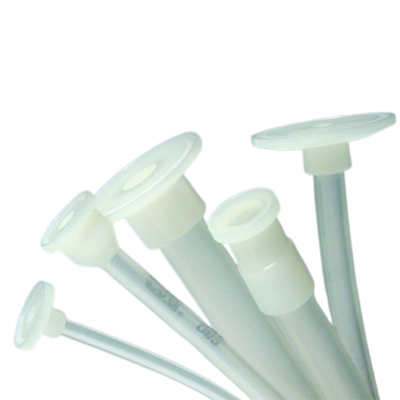
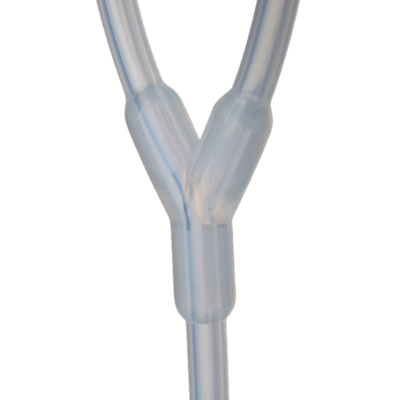
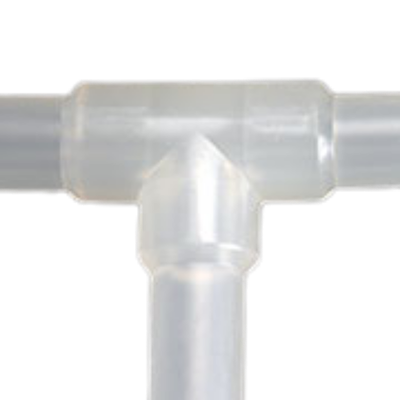
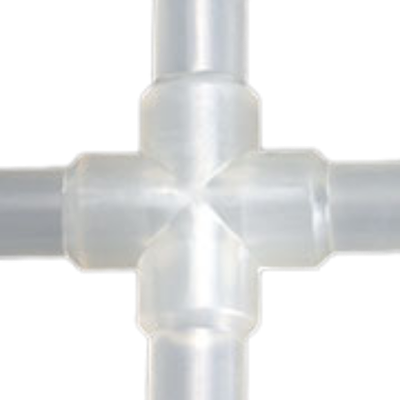
MonoBiologics designs and manufactures custom LSR overmolded components for single-use bioprocessing applications. When you work with us, you're working with a vertically integrated partner who handles every step alongside your team. Our engineers design the molds, our facility manufactures the components, and we integrate them into your final assembly. One partner, complete accountability, zero coordination headaches.
.png)
.png)
How We Work With You
Our bread and butter - though we tackle custom challenges too!
Assembly joints are common failure points for contamination
Molecular bond creates hermetic seals with no gaps
Multiple components = extended assembly time, increased labor costs, and more points of failure
Single integrated part reduces assembly steps and eliminates secondary operations
Manual assembly leads to variation in seal compression and positioning
Precision molding ensures identical geometry every time
Common questions about our LSR overmolding capabilities
We work with a wide variety of tubing types for LSR overmolding including silicone tubing (regular and reinforced), braided tubing, thermoplastic tubing (C-Flex, PharMed, Tygon), and custom medical-grade tubing. Our overmolding process can accommodate different tubing diameters and wall thicknesses for single-use bioprocessing applications. Reach out with your specific tubing type and dimensional requirements, and we'll discuss the best overmolding approach for your application.
We design and machine LSR overmolding tools in-house, working with your engineering team to understand your application requirements and create custom tooling that meets your specifications. Our mold design process includes DFM analysis, tool flow simulation, and design approval before we start CNC machining. We're also happy to work with your pre-designed molds or existing tooling specifications if you already have injection molding designs developed.
We work with LSR materials ranging from very soft (10 Shore A) to firm (80 Shore A) durometer hardness. The LSR hardness you need depends on your application requirements. Softer LSR durometers are ideal for gentle sealing, gasket applications, and comfort grips, while firmer LSR provides structural support and dimensional stability. We'll help you choose the right LSR durometer based on your compression requirements, sealing pressure, and assembly specifications.
There is no minimum order quantity for LSR overmolding. We regularly support prototype development work, clinical trial supplies, and pilot production runs alongside high-volume commercial manufacturing. Whether you need 100 overmolded parts for initial testing or 100,000 components for commercial production, we can support your volume requirements with flexible manufacturing capacity.
Absolutely. We design LSR overmolding tooling with production scalability in mind. Start with smaller cavity prototype molds for development and validation, then expand to multi-cavity production molds (8-cavity, 16-cavity, or 32-cavity configurations) as your manufacturing volumes grow. This scalable approach minimizes upfront tooling investment while ensuring your process transfers smoothly from pilot scale to commercial manufacturing.
Yes. We use medical-grade and pharmaceutical-grade LSR materials that meet ISO 10993 biocompatibility standards, USP Class VI requirements, and FDA 21 CFR 177.2600 regulations for food contact applications. Our LSR overmolding materials are suitable for biopharmaceutical manufacturing, single-use bioprocessing systems, and medical device components. Full material certifications, DMF documentation, and extractables/leachables data are provided with every order.
Yes. Our LSR overmolded components are compatible with gamma irradiation sterilization and autoclave steam sterilization methods. We'll recommend the best LSR material grade based on your sterilization method, dose requirements, and post-sterilization performance specifications. Sterilization validation data and material stability testing can be provided to support your regulatory submissions.
Every LSR overmolding shipment includes Certificates of Conformance (CoC), material batch traceability records, dimensional inspection reports, and manufacturing lot documentation. We can customize quality documentation packages to match your specific QA requirements including first article inspection reports (FAIR), process validation documentation, and material test certificates. All documentation supports GMP compliance and regulatory audit requirements.
Yes. Our LSR overmolding manufacturing happens in ISO Class 7 (Class 10,000) cleanroom conditions with controlled temperature, humidity, and particulate monitoring. This cleanroom environment is ideal for pharmaceutical manufacturing, biotech single-use assemblies, and sterile medical device components. Our cleanroom operations follow current Good Manufacturing Practices (cGMP) and ISO 13485 quality management standards.
We can deliver both individual LSR overmolded components and complete turnkey assemblies. Many customers have us overmold sealing components and then perform final assembly with tubing connections, plastic fittings, valves, or sensors before packaging. This single-source approach provides one supplier, one purchase order, and less supply chain complexity for your procurement team. Learn more about our complete bespoke bioprocessing systems →
Either way works. If you have existing CAD files, technical drawings, and design specifications, we'll work from your engineering documentation. If you're starting from a concept sketch or application requirements, our engineering team will design the complete LSR overmolding solution including part geometry, material selection, tooling design, and manufacturing process development. We provide full design support from concept through production.
From mold design to cleanroom manufacturing, we deliver complete LSR overmolding solutions for pharmaceutical and biotech applications.
Get in Touch